From Root to Stem: 4 Sustainable Asian Cooking Lessons
Discover how Asian food traditions lead sustainable eating, from zero-waste broths to fermentation and plant-forward dishes. Order local on Springroll.
Read more
World Food Day, observed every October 16, is a global reminder of how our daily dining choices impact the planet, agricultural ecosystems, and neighborhood economics. As global conversations around sustainability continue to focus on reducing carbon footprints, minimizing food waste, and encouraging plant-forward diets, many modern eaters are looking for fresh solutions. However, some of the most effective strategies for eco-conscious eating are far from new. They have been practiced, refined, and passed down through generations of Asian culinary heritage.
Long before terms like “zero-waste cooking,” “upcycling ingredients,” or “sustainable sourcing” entered the modern food vocabulary, Asian home cooks, street vendors, and professional chefs practiced these principles out of necessity, cultural reverence, and resourcefulness. Traditional Asian food cultures operate on a philosophy of deep respect for food—recognizing the intense labor, natural resources, and time required to bring every ingredient from farm to table.
As an online ordering platform connecting food lovers with authentic independent Asian kitchens, Springroll celebrates how local Asian restaurants continue these sustainable traditions every single day. Discover how four foundational pillars of Asian culinary heritage are shaping the future of sustainable eating, and learn how you can taste these eco-friendly practices by supporting local restaurants in your community.
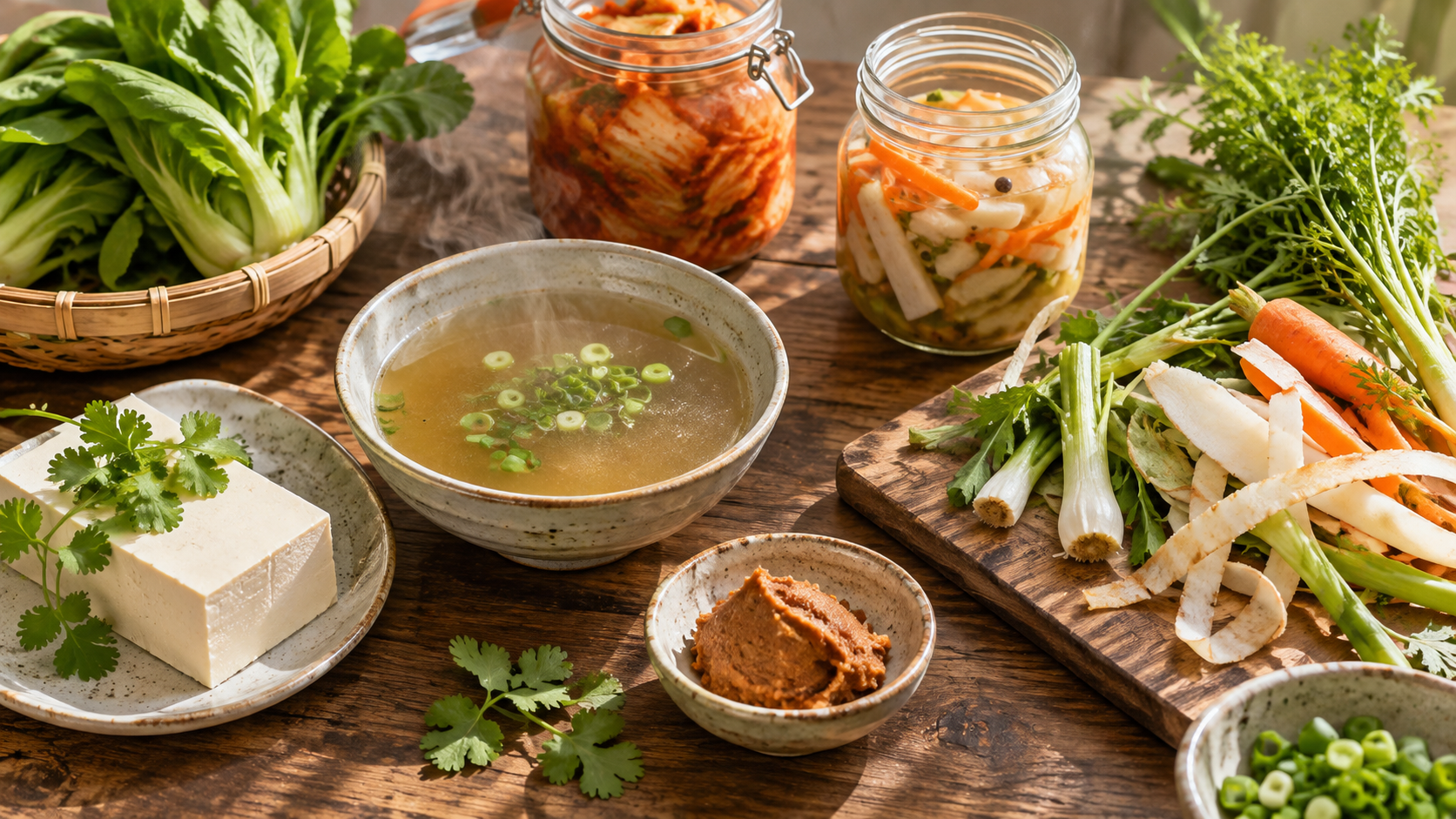
In many commercial kitchens, trimming meat and vegetables often results in substantial organic waste sent directly to landfills. Traditional Asian culinary practices often take a different approach. Instead of treating vegetable ends, herb stems, poultry carcasses, and beef bones as trash, traditional cooks view them as the foundation for the most flavorful and comforting element of the meal: the broth.
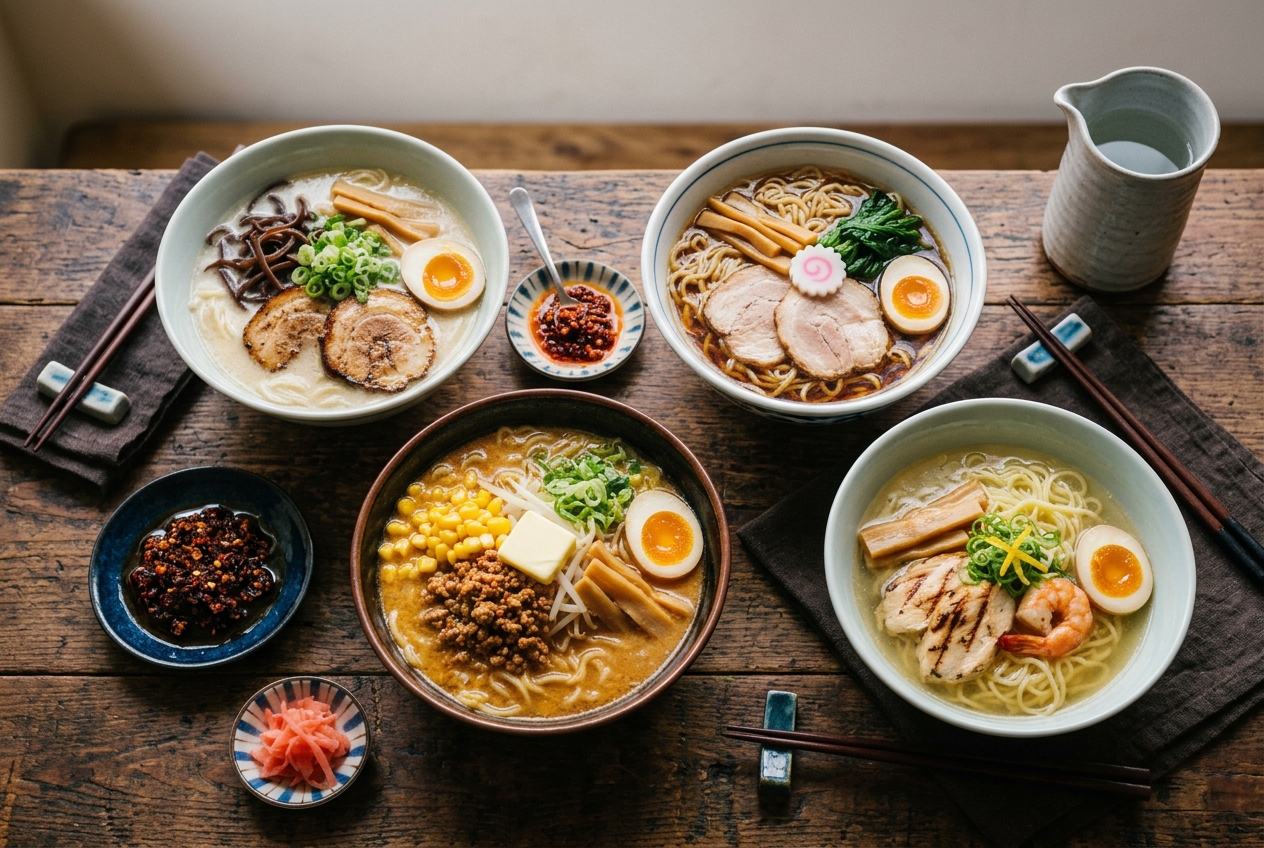
Consider iconic Asian soups such as Vietnamese Pho, Japanese Ramen, or Korean Gomguk. The depth and richness of these dishes come from hours of simmering ingredients that might otherwise be discarded. Vegetable peelings, aromatic tops, spent herbs, and marrow bones yield rich collagen, complex minerals, and intense umami flavor when gently cooked over low heat for extended periods.
Beyond saving kitchen scraps from the waste bin, this slow-simmering approach maximizes nutrient extraction, turning every portion of the raw ingredient into genuine sustenance. In a world where food waste significantly contributes to global greenhouse gas emissions, adopting a “use everything” mindset is one of the most impactful adjustments a kitchen can make.
Before refrigeration transformed how humanity stored food, ancient communities relied on fermentation to stretch seasonal harvests through long winters and lean months. Throughout East and Southeast Asia, fermentation evolved from a basic survival necessity into a sophisticated culinary craft that defines the flavor profile of entire national cuisines.
Iconic staples like Korean Kimchi, Japanese Miso and Tsukemono, Chinese fermented bean pastes, and Southeast Asian fish sauces represent the pinnacle of biological food preservation. By introducing beneficial micro-organisms like lactic acid bacteria to cabbage, radishes, soybeans, or seafood, food is effectively preserved against spoilage for months—or even years—without synthetic preservatives or energy-intensive cold storage systems.
The eco-friendly impact of fermentation is twofold. First, it prevents surplus crops from rotting in fields or storehouses during harvest peaks. Second, it enhances nutritional profiles by developing natural probiotics, vitamins, and enzymes that support gut health. By making vegetable preserves a daily staple, traditional Asian diets reduce reliance on out-of-season imported produce, reliance on heavily packaged processed foods, and overall household waste.
As global environmental organizations highlight the heavy carbon footprint and resource intensity associated with industrial livestock production, shifting toward plant-forward diets has become a central focus of World Food Day initiatives. While Western food markets have recently introduced highly processed plant-based meat substitutes, Asian food cultures have offered deeply satisfying, whole-food plant proteins for centuries.
Ingredients like tofu, tempeh, seitan (wheat gluten), edamame, and a vast variety of lentils and legumes are not treated as secondary substitutes for meat in Asian cooking; they are celebrated as primary ingredients in their own right.
• Tofu: From silken tofu in comforting Korean soft tofu stew (sundubu-jigae) to soft tofu simmered in spicy Sichuan mapo tofu, soy proteins absorb complex sauces, spices, and aromatics effortlessly.
• Tempeh: Originating in Indonesia, tempeh uses whole fermented soybeans to deliver a firm texture, nutty flavor, and dense protein profile with a fraction of the land and water required for livestock farming.
• Legumes & Grains: South Asian cuisines excel at combining dal (lentils) with rice or whole grain flatbreads, creating complete protein profiles through delicious, climate-smart agriculture.
Integrating plant-forward meals into your routine just a few days a week reduces personal carbon emissions, saves fresh water resources, and helps reduce global pressure on land use—all while introducing your palate to incredible culinary variety.
While global policies and agricultural innovation play massive roles in protecting our planet’s food future, local action remains the heart of sustainable food ecosystems. World Food Day places a heavy emphasis on honoring “Food Heroes”—the independent farmers, food artisans, family-run kitchens, and local restaurant workers who keep communities fed and resilient.
Independent Asian restaurants are vital anchors of local culture and economic stability. Many of these family-owned kitchens source ingredients from specialized local growers, support regional Asian produce markets, and keep culinary heritage alive in neighborhood commercial districts.
When you choose to order from independent neighborhood restaurants rather than massive corporate fast-food chains, your dining dollars remain within your local economy. This direct support helps local food businesses maintain stable operations, support their staff, and continue investing in high-quality, fresh ingredients.
Furthermore, many neighborhood restaurants rely on nearby suppliers and Asian grocers, which keeps money and ingredients circulating close to home. By choosing neighborhood dining options on Springroll, you help sustain the local food businesses that keep communities fed.
Springroll connects you directly with hundreds of independent Asian food heroes in your community. Whether you are craving family-recipe dumplings from Long Xing Ji Juicy Dumpling or authentic, plant-based dishes from Thai Heritage and Vegan - Albuquerque, or classic Korean specialties from Kimchi House Koreana - Philadelphia, every meal ordered helps support a small business dedicated to culinary craft. Learn more about the impact of buying local in our feature on Supporting Local Family-Owned Restaurants in Your Community.
Sustainable eating does not require drastic lifestyle shifts or sacrificing the flavors you love. By embracing the timeless principles embedded within Asian food traditions—zero-waste ingredient utilization, natural food preservation, plant-forward meal planning, and supporting local food entrepreneurs—you contribute to a healthier planet with every meal.
Celebrate these culinary traditions any day of the year. Explore the incredible variety of authentic, sustainable dining options available right in your neighborhood.
Ready to dine with purpose? Visit Springroll.com today to explore local Asian restaurants, discover plant-forward favorites, and order for pickup or delivery where available.